There is a version of Kyoto with four hundred people in it and a version with nine, and they are separated by ninety minutes of sleep. That is the whole article. Everything below is detail.
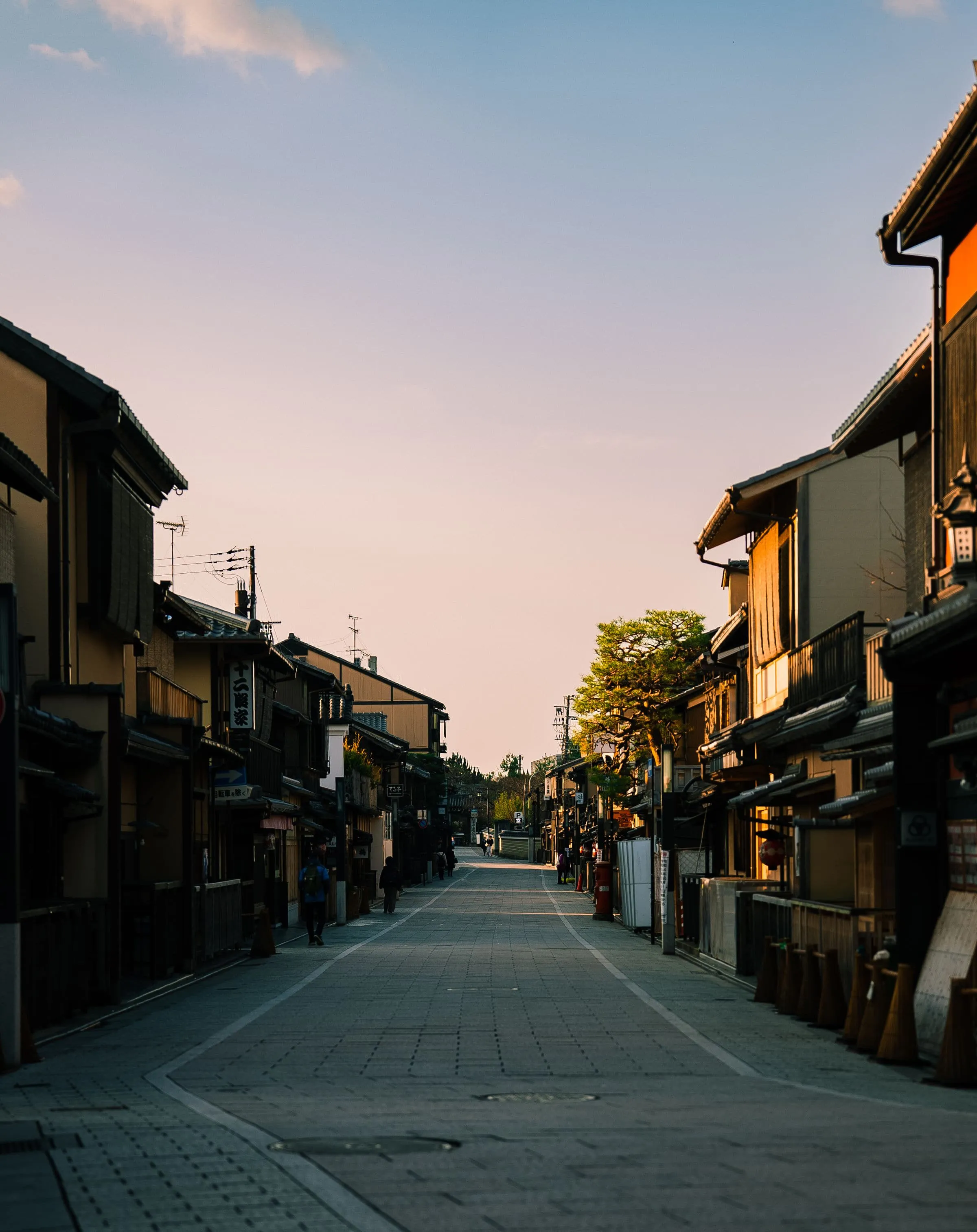
Temple grounds open long before the halls do, and several of the famous walks are streets rather than sites and so never close at all. Between about five and seven in the morning you can have the lot: Gion with the shutters down, the Philosopher’s Path with nobody on it, the lower gates at Fushimi Inari in silence.
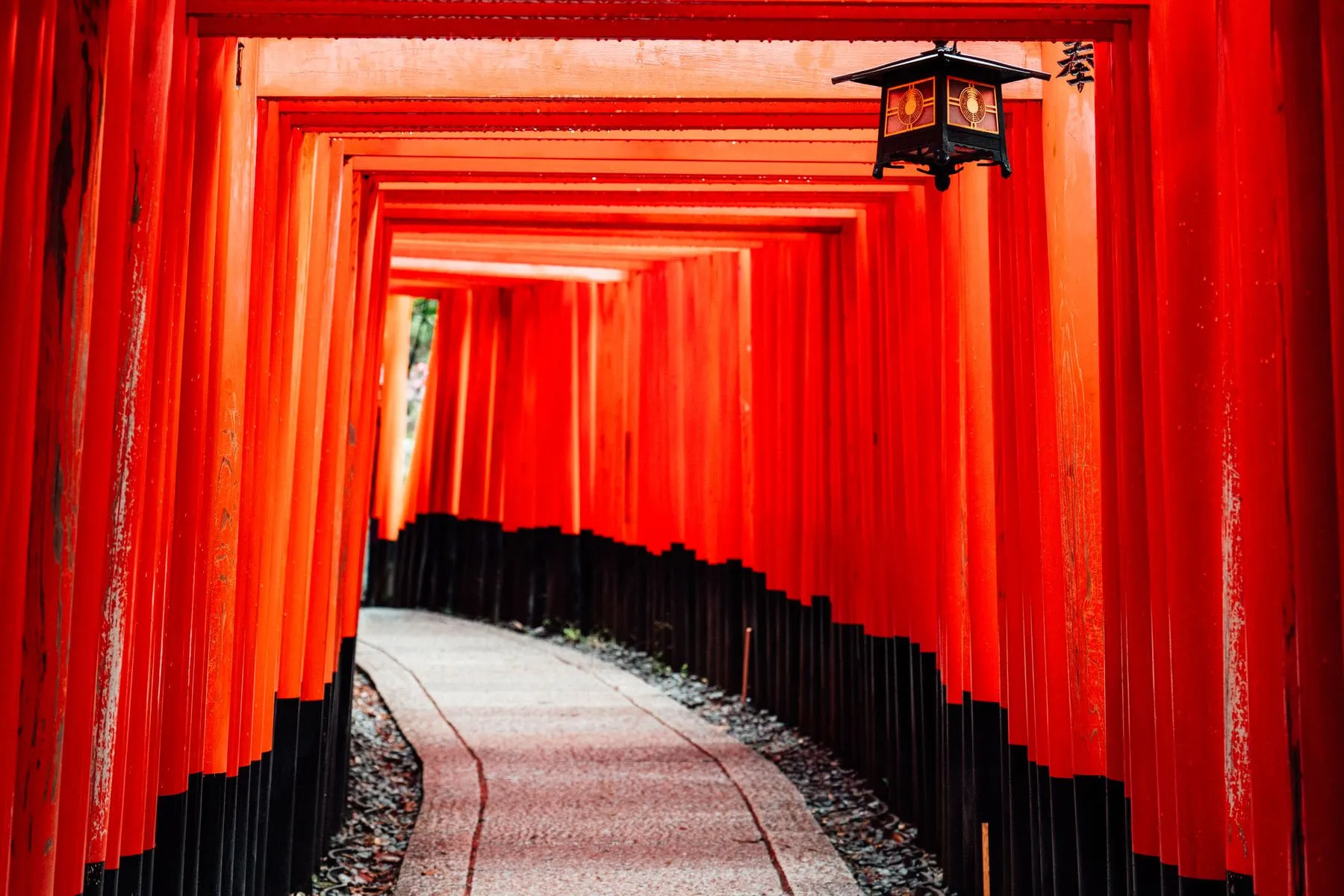
The lower gates at Fushimi Inari, only ever this empty at dawn. Photo: G N.
A first morning that works
- 05:30 — walk to Fushimi Inari. Go up for forty minutes, not to the top.
- 07:15 — two stops north, breakfast near Tofuku-ji.
- 08:30 — Kiyomizu-dera as it opens, then down through the Ninenzaka lanes while the shops are still putting their boards out.
- 10:30 — stop. Sleep. Come back out at four.
Kyoto does not reward stamina. It rewards two short days stitched into one, with a gap in the middle where you are not looking at anything.
What to drop
The bamboo grove at Arashiyama is a hundred metres long, it is photographed from the one angle that hides a fence, and by nine it holds a crowd four deep. If you are going anyway, be there at seven. When you have had your ninety seconds, walk on into the park behind it, which is enormous, empty and much better.