The standard argument for travelling in April or October is that it is cheaper and emptier. Both are true and both are slightly beside the point, because they frame the off-season as a compromise — the same trip, discounted, with worse weather.
For a large number of places it is not the same trip. It is a better one. Coastlines, moorland, mountains and northern cities are all designed by their weather, and in the months when the weather is doing nothing they are versions of themselves with the interesting part removed.
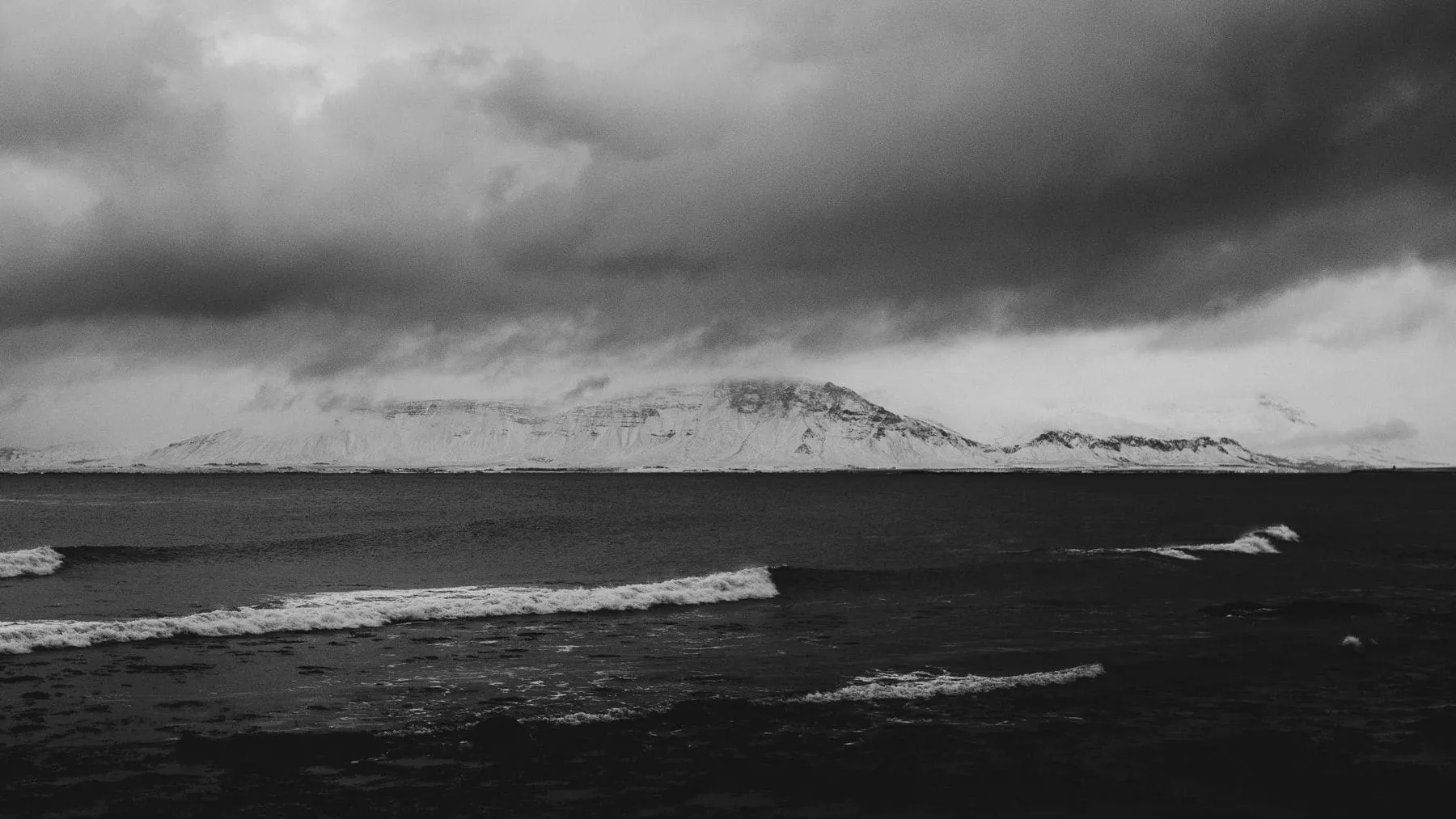
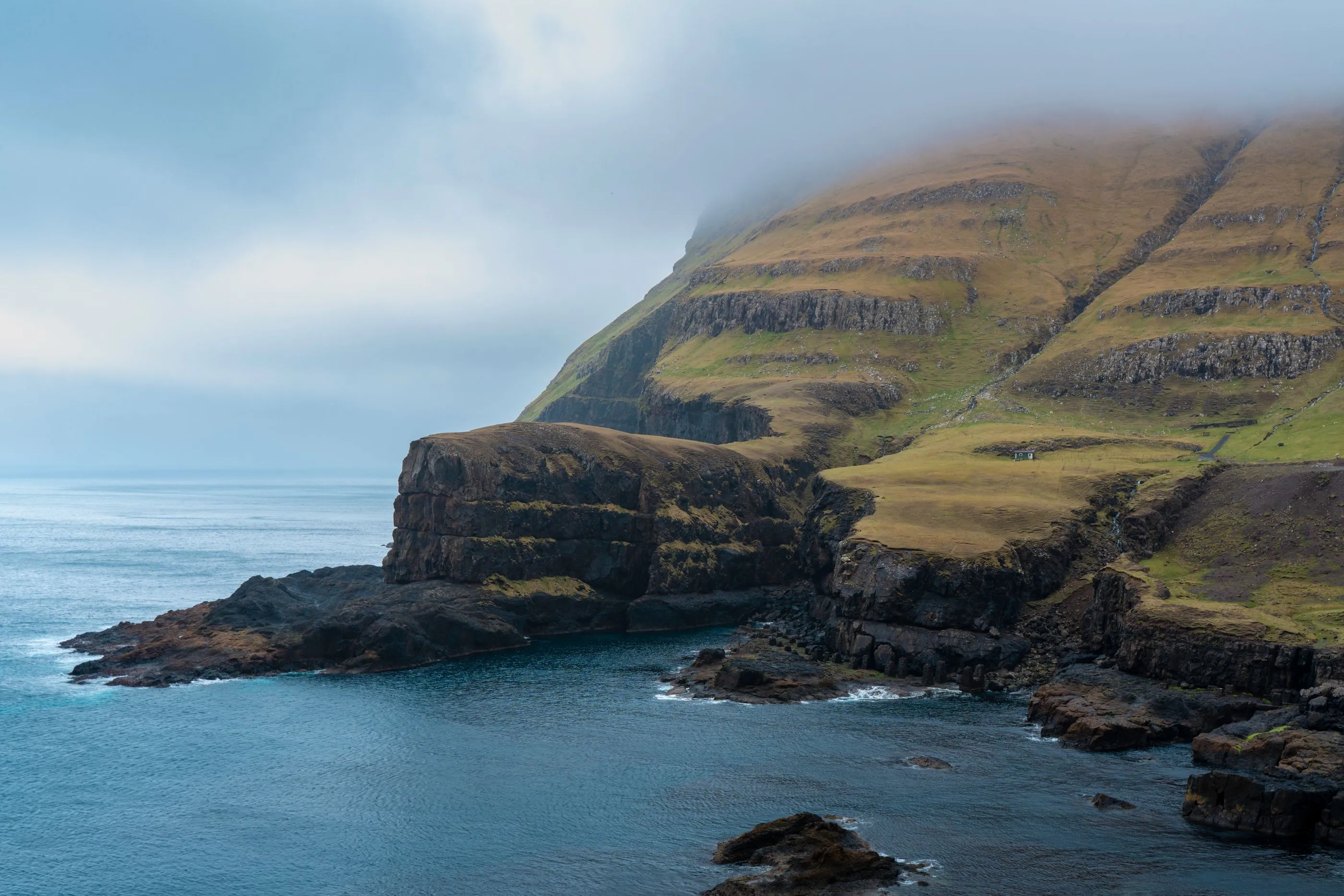
February on an Atlantic coast, which is the only month it makes sense. Photo: WorldIsNotOurHome.
Places that improve
- Anywhere with a sea wall. A harbour in a gale is the thing the harbour was built for.
- Northern cities. Copenhagen, Edinburgh and Hamburg are built around being indoors, and in August that architecture has nothing to do.
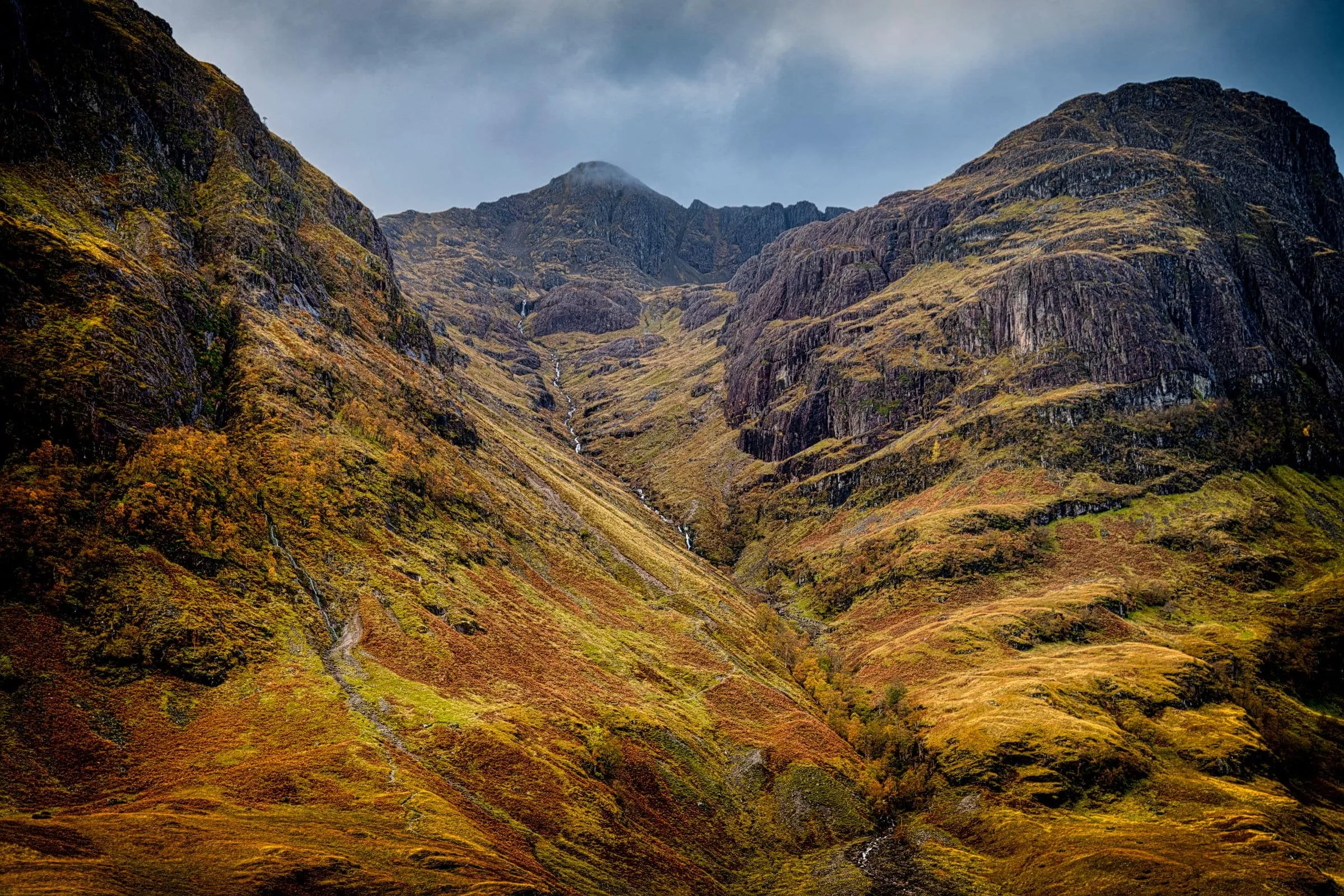
- Moorland and fell. Needs low cloud and low light to look like anything.
- Big museums, which stop being a queueing exercise.
A wet week somewhere built for wet weather beats a fine week somewhere that only works in the sun and is full of everybody else who booked it.
Places that do not
Be honest about the exceptions. Anything whose point is swimming, anything above two thousand metres between October and June, and anywhere that closes — Greek islands in January are not atmospheric, they are shut. Check the ferry timetable before booking the romance.