Every trip produces information. On day three you find out that the town you allocated one night to is the best place you have been, and the city you booked four nights in has about a day and a half in it. If the whole trip is booked, that information is worthless.
So book the first half and leave the second. Not the whole thing — arriving somewhere unfamiliar at ten at night with nothing reserved is a bad experience with no upside. But the back three nights of a ten-night trip can stay open almost anywhere outside a festival week.

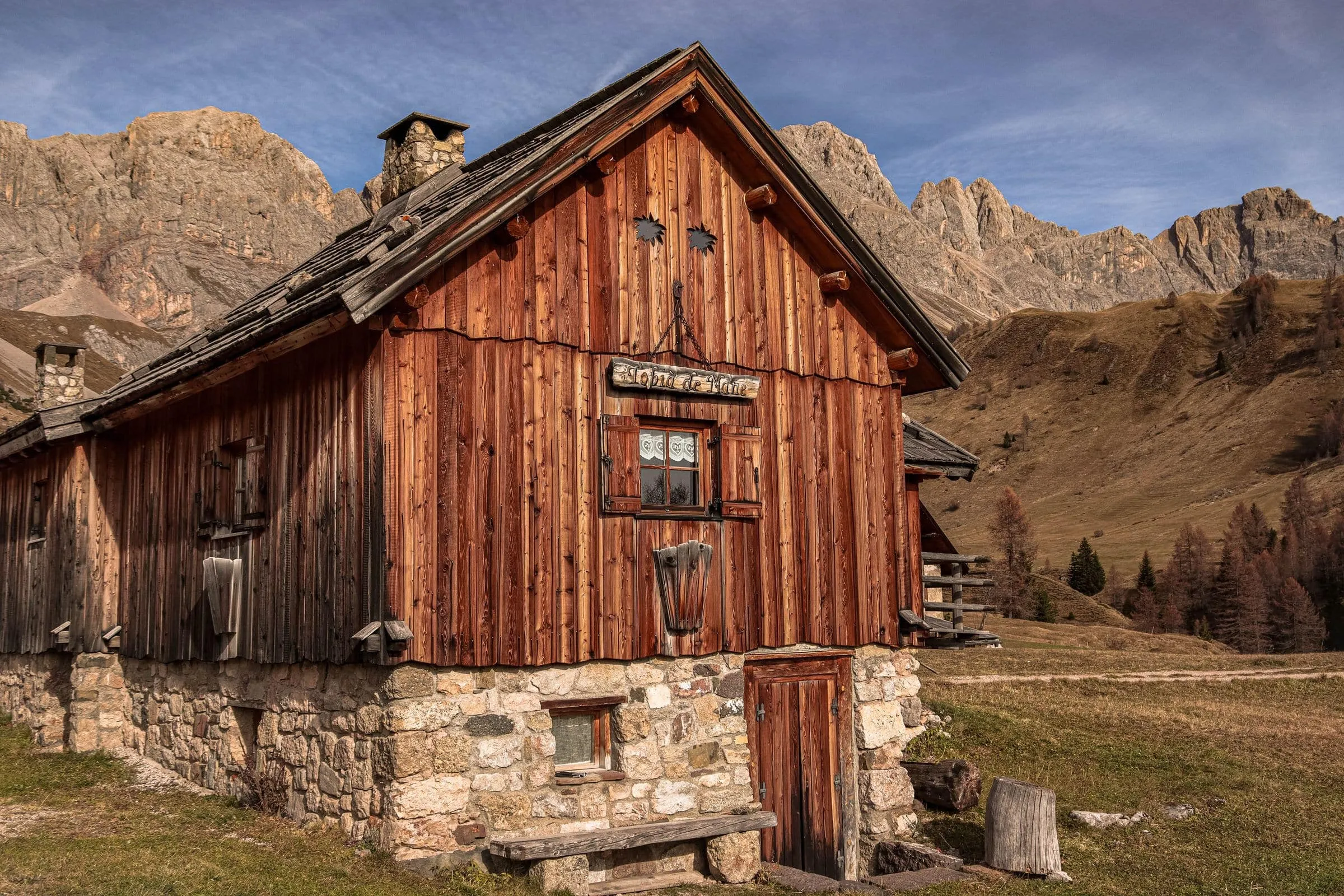
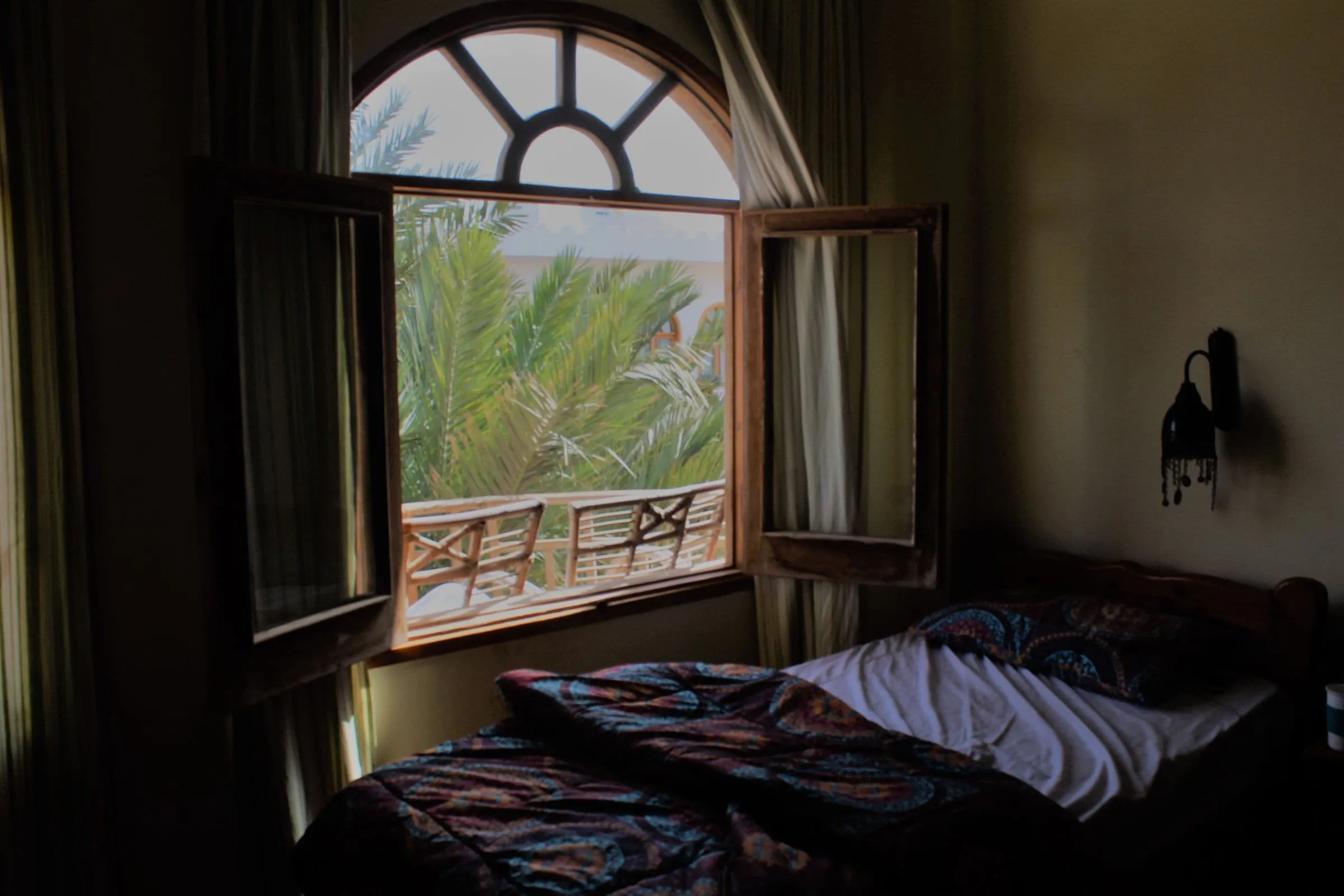
Booked at four in the afternoon for that night, which is how the good ones go cheap. Photo: Clement Proust.
The rules that make it safe
- Book arrival and departure nights always. Those two are about logistics, not experience.
- Check the calendar for the region: a saint’s day, a festival or a trade fair will empty a city of beds overnight.
- Have a fallback, an unbooked but identified place you would accept, so the decision is never made under pressure.
- Do not do it in August on a coast. Everywhere is full and the price of the one remaining room reflects it.
The best night of most trips is somewhere you had not heard of on the day you left home. You cannot book that in advance, by definition.
Where it pays most
Places where the good accommodation is small — Greek islands out of season, rural Portugal, the Scottish west coast. Places with a dozen rooms in total respond to a phone call in the afternoon in a way a hundred-room hotel never will, and the phone call gets you a better price than the platform.